TikTok Shop automation beyond the Shopify app: orders, stock, returns and the Partner API
TikTok Shop automation beyond the Shopify app: what the Partner API covers for orders, stock, fulfilment and returns, how seller access works, and costs.
By Rokibul Hasan8 min read
- TikTok Shop
- Automation

The official TikTok app for Shopify does a good job of the basics: it publishes your Shopify products to TikTok Shop, keeps stock in step and brings orders back to fulfil. TikTok Shop automation is everything after that. It covers stock shared with Amazon or a warehouse system, returns that need to reach your accounts, customer messages, payouts and reports, and TikTok Shops that are not tied to a Shopify store at all.
This guide is for brands already selling on TikTok Shop who have hit the edges of the Shopify app, or who run TikTok Shop alongside other channels. Connecting Shopify with TikTok Shop is part of the automation work I do, so this is a developer's view of what TikTok Shop's Partner API covers in October 2026, how access works for a seller building for their own shop, and what to automate first. Where TikTok's documentation leaves something unclear, I say so.
Why TikTok Shop automation is worth a look now
TikTok Shop is no longer a side channel for many brands. Momentum Works and Tabcut estimate its global gross merchandise value at $50.3 billion in the first half of 2026, up 92% on a year earlier, with US sales of $11.8 billion (Tubefilter). Those are third-party estimates, not TikTok's own figures, but the direction is clear.
Sales on TikTok also arrive in bursts. A video takes off, orders pile up within hours, and every manual step (copying orders, checking stock, answering "where is my parcel?") becomes a backlog.
What the Shopify app covers, and where it stops
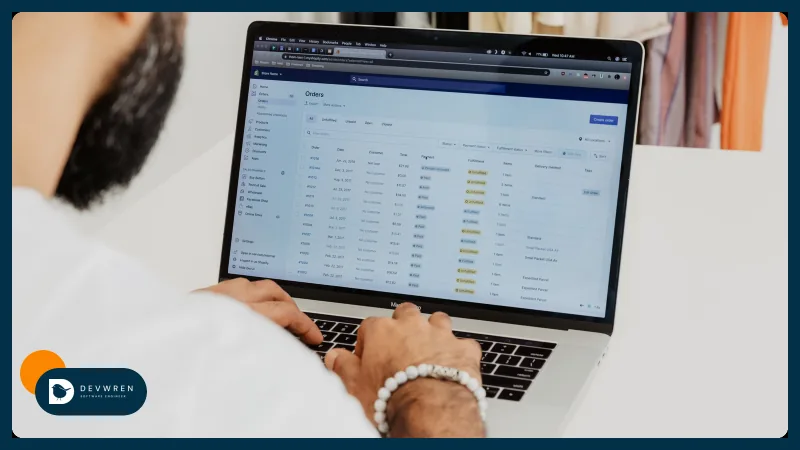
I went through the app in detail in the Shopify and TikTok Shop integration guide. In short: Shopify is the source of truth, so products and stock flow from Shopify to TikTok; orders flow from TikTok into Shopify for fulfilment; and returns and refunds stay in TikTok Seller Center. One Shopify store connects to one TikTok Shop, and bundles do not sync as bundles. If that matches your business, keep using it.
These are the situations that usually push a brand towards its own TikTok Shop automation:
- Stock is shared with other channels. Amazon, Etsy, wholesale or a warehouse system draw on the same units, and Shopify is not the master.
- Returns need to reach your books. The app handles them in Seller Center, so getting them into Shopify and your accounts is a separate job.
- Several shops or brands feeding, or fed by, one TikTok Shop.
- Customer service at volume, with buyer messages answered in a helpdesk alongside email.
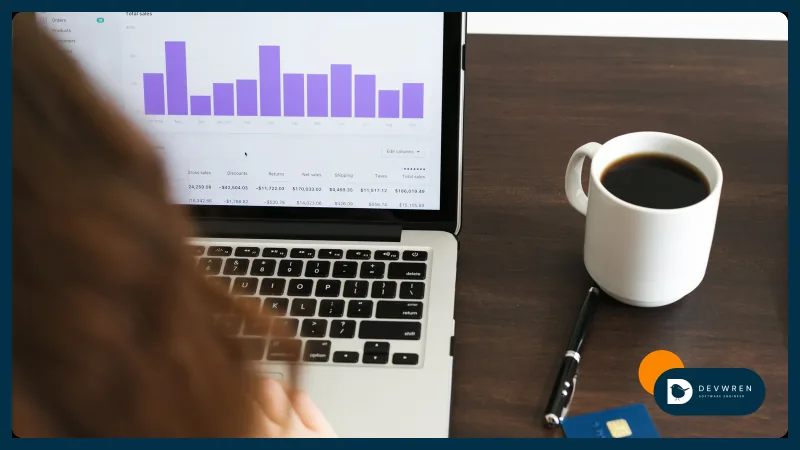
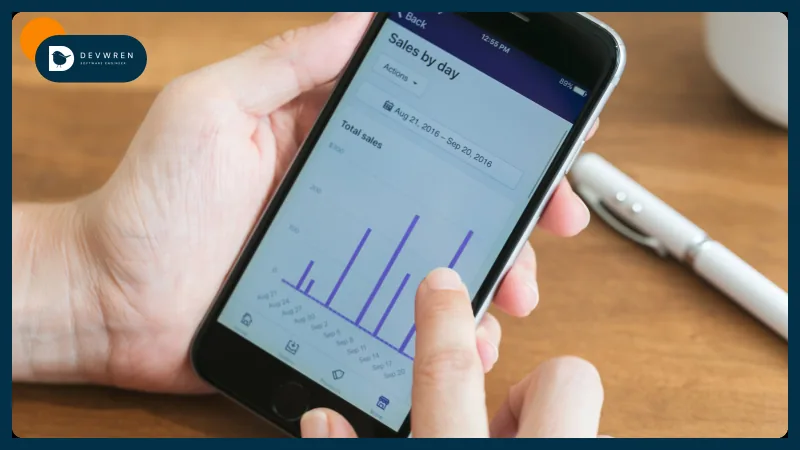
- Finance and reporting: payouts reconciled against orders, and TikTok sales next to every other channel.
- No Shopify at all, for brands selling on TikTok Shop and Amazon only.
What the TikTok Shop Partner API covers
TikTok Shop's Open API is run through Partner Center. Its API reference, checked on 15 October 2026, is organised into these areas (TikTok Shop developer guide):
| Area | What it covers |
|---|---|
| Products | Create, edit and partially edit products; update price and inventory; category rules and attributes; listing quality diagnosis |
| Orders | Order lists and details; price breakdowns; references to your own order IDs |
| Fulfilment and logistics | Ship and batch-ship packages, shipping documents, tracking, warehouses and shipping providers |
| Return and refund | Search returns and cancellations, approve or reject them, calculate refunds |
| Finance | Statements, payments and transactions by order |
| Customer service | Conversations and messages with buyers (needs extra approval) |
| Analytics, promotion, affiliate | Shop, product and video performance; promotions and coupons; creator affiliate tools |
| Fulfilled by TikTok (FBT) | Inbound shipments, FBT inventory and orders from other channels |
Webhooks cover the events that matter for automation: order status changes, cancellation and return status changes, product status and inventory changes, new buyer messages, and a warning before a shop's authorisation expires. TikTok's own guidance is not to treat webhooks as the only source of truth, and to reconcile important data with scheduled API calls as well (TikTok Shop webhooks).
Getting API access as a seller
TikTok recognises three kinds of developer. A TikTok Shop seller developer builds a custom app for their own shop and can only reach that shop's data (TikTok Shop developer types). That is the route for a brand that wants its own integration. A custom app is not listed in the TikTok Shop App Store; you authorise it through a link.
A few practical points from TikTok's onboarding guide:
- The seller account must have passed KYB or KYC verification, and the guide also lists an assigned account manager as a prerequisite. If you do not have one, ask TikTok before planning a build.
- There are two Partner Centers. US-registered local sellers use partner.us.tiktokshop.com; everyone else uses partner.tiktokshop.com.
- Scopes depend on the app's category and market. If an endpoint does not appear for your app, it may not be available for that category.
- Customer service access is restricted. TikTok grants the customer service scope to partners above a size threshold, with special approval possible for sellers building for themselves.
Orders, stock and fulfilment across channels
Most TikTok Shop automation starts here.
Orders. A webhook announces each new or changed order; the integration fetches the details, writes the order into wherever you fulfil (Shopify, a warehouse system, a 3PL), and stores TikTok's order ID next to your own. TikTok's API can hold that reference on its side too, which makes later lookups simple.
Stock. The Products API updates inventory per SKU and warehouse, and each update has to include every warehouse assigned to that SKU. With several channels, one system holds the true count and TikTok Shop is just another channel it updates after every sale, with a scheduled check to correct drift. The pattern is the same as in how to stop overselling across channels; what TikTok adds is speed, because a viral video can sell your last units in minutes.
Fulfilment. Once a package ships, the tracking number goes back to TikTok so the order moves on. If your stock sits in Amazon FBA, apps can route TikTok orders to Amazon Multi-Channel Fulfillment, as I describe in order fulfilment with Amazon MCF. TikTok's API reference now also includes endpoints for sending orders from other sales channels to Fulfilled by TikTok; the documentation accepts US delivery addresses only, and eligibility for FBT itself is something to confirm with TikTok.
Returns and cancellations
Returns are where the Shopify app leaves the most manual work, and the API covers them well. TikTok's Return API lets an integration search returns and cancellations, approve or reject them with a reason, and work out refund amounts. In the US and UK, sellers can also cancel part of an order when an item is out of stock (TikTok Shop return and refund API).
A sensible return flow listens for return status changes, applies your rules (auto-approve low-value items, send everything else to a person), restocks the units once they arrive back, and records the refund in Shopify or your accounting tool so the numbers agree. Which decisions TikTok makes for you, and which you are allowed to make, varies by market policy, so the rules should be set per country.
Things that break TikTok Shop integrations
- Rate limits are dynamic. TikTok does not publish one fixed limit. Capacity depends on the endpoint, the shop and platform load, and the starting figures in its docs are explicitly "not guaranteed platform limits" (TikTok Shop rate limits). Build for throttling from day one: queues, backoff and retries.
- Monthly API versions. TikTok generally releases new API versions monthly, named by year and month, with breaking changes shipped as new versions. Someone has to read the changelog.
- Authorisation expires. TikTok sends a warning 30 days before a shop's authorisation runs out. If nobody acts on it, the integration stops.
- Policies differ by market and change. Cancellation, return and shipping rules vary by country and get revised. Keep them in configuration, not hard-coded, so a policy change is a settings change rather than a rebuild.
Where to start
- Write down the manual work for one busy week: orders, stock edits, returns, messages, reports.
- Decide the source of truth for products and for stock. They can be different systems.
- Clean up SKUs so every TikTok SKU maps to exactly one SKU everywhere else.
- Automate orders and stock first, then returns, then finance and reports.
- Test on a development shop before connecting the live one; TikTok provides test seller accounts for this.
What custom TikTok Shop automation costs
TikTok's own tools and the Shopify app cost nothing to install. TikTok's selling fees vary by country and change, so check the current ones in Seller Center.
For custom work, one automation on TikTok Shop's official API, such as returns synced into Shopify or a weekly payout report, fits my MVP plan for marketplace and ecommerce apps, from $2,500. TikTok Shop plus other channels, with stock and orders kept in sync and a dashboard, is the Flexible plan, from $5,500. These are starting prices; every project gets a fixed quote after a short brief. See the marketplace app plans.
FAQ
Can I automate TikTok Shop customer service messages?
Partly, and only with approval. TikTok Shop's Customer Service API lets an approved app read conversations, send messages and images, and receive a webhook for each new buyer message, so replies can be handled in your own helpdesk. TikTok restricts the scope to larger partners, with special approval possible for sellers building for their own shop. Plan for a person to review anything sensitive, such as refunds or complaints, rather than letting software answer everything.
Do I need to become a TikTok Shop partner to use the API for my own shop?
You register in TikTok Shop Partner Center, but as a seller developer rather than a software company. The seller account must have passed TikTok's business or identity verification, and TikTok's guide also lists an assigned account manager. You then create a custom app for your own shop, choose the market, and authorise it through a link. US-registered local sellers use the US Partner Center; other sellers use the global one.
Can Fulfilled by TikTok ship orders from my other sales channels?
TikTok's API reference includes endpoints for creating Fulfilled by TikTok orders for sales made on other channels, checking FBT stock available for them and tracking their status. The documentation accepts US delivery addresses only. Whether your account and products qualify for FBT is a question for TikTok, so confirm eligibility first. If your stock already sits in Amazon FBA, Amazon's Multi-Channel Fulfillment is the other common route for shared stock.
If TikTok Shop has outgrown the Shopify app for you, send me a short brief: which channels you sell on, where your stock is held, how many TikTok orders and returns you handle in a busy week, and what takes the most time today. You can ask for a quote on the Flexible marketplace plan, see the Shopify and TikTok Shop work on my ecommerce page, or read what to automate first in ecommerce.